| Summer Fire Safety: Fireworks and Outdoor Cooking Fire Safety
Every year Americans look forward to summer vacations, camping, family reunions, picnics, and the Fourth of July. Summertime, however, also brings fires and injuries due to fireworks and outdoor cooking. Annually, just under 10,000 Americans are injured by fireworks and almost 5,000 are injured by charcoal/wood-burning and propane grill fires. (Source: Consumer Product Safety Commission)
Summertime should be a time of fun and making happy memories. Knowing a few fire safety tips and following safety instructions will help everyone have a safe summer.
Fireworks
According to the U.S. Consumer Product Safety Commission (CPSC), there were 11 deaths associated with fireworks during 2007. Fireworks were involved in an estimated 9,800 injuries during the 2007 calendar year, with an estimated 6,300 fireworks-related injuries treated during the one month period between June 22 and July 22, 2007. Children under 15 suffered about 42% of the estimated injuries.
Dr. Gary Smith, Director of the Center for Injury Research and Policy at Columbus Children's Research Institute in Ohio conducted a 22-year study of fireworks injuries treated in emergency rooms.
He found that:
67% of sparkler-related injuries were among children 5 years or younger
70% of patients treated for all fireworks injuries were male
Adult supervision was present in 54% of the cases
The eyes were injured in nearly one-third of the cases
The average age of patients was 8½ years
Source: Home Safety Council
Outdoor Cooking Fire Safety
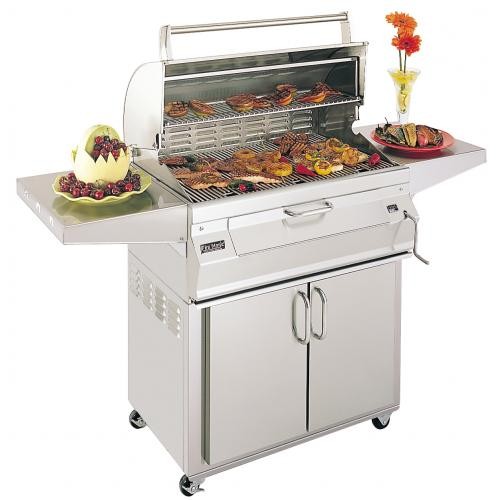
The National Fire Protection Association (NFPA) found that gas and charcoal grills are responsible for 3,400 structure fires in or on home properties, resulting in a combined direct property loss of $137 million. Gas-fueled grills caused an estimated 2,800 home structure fires and 4,400 home outdoor fires in 2005. Charcoal and other solid-fueled grills caused an estimated 600 home structure fires and 500 outdoor fires.
Barbecue Safety Tips
Propane and charcoal BBQ grills must only be used outdoors. If used indoors, or in any enclosed spaces such as tents, they pose both a fire hazard and the risk of exposing occupants to toxic gases and potential asphyxiation.
Position the grill well away from siding, deck railing, and out from under eaves and overhanging branches.
Place the grill a safe distance from lawn games, play areas, and foot traffic.
Keep children and pets from the grill area: declare a three-foot "safe zone" around the grill.
Put out several long-handled grilling tools to give the chef plenty of clearance from heat and flames when cooking.
Periodically remove grease or fat buildup in trays below grill so it cannot be ignited by a hot grill.
Source: NFPA
Fire Pits
In recent years, there has been a new concern for the Fire Service - fire pits. Fire pits are known to be a great source of warmth and ambience. But, with the popularity of fire pits increasing, fire safety has become even more important. There are many things you should consider while setting up and using a fire pit.
Keep away from flammable material and fluids such as gasoline, diesel fuel, kerosene, and charcoal lighter fluid or vehicles while in use.
Do not use flammable fluids such as gasoline, alcohol, diesel fuel, kerosene, and charcoal lighter fluid to light or relight fires.
Exercise the same precautions you would with an open fire.
Do not allow children to use the fire pit. Keep children and pets away.
Do not wear flammable or loose fitting clothing such as nylon.
Do not burn trash, leaves, paper, cardboard, or plywood. Avoid using soft wood such as pine or cedar that likely pop and throw sparks. Use of seasoned hardwood is suggested.
Before starting the fire, make sure that the lid will still close to extinguish the fire in case of emergency. Do not overload.
Before you light the fire, check the wind direction.
Keep a fire extinguisher or garden hose nearby.
Important: Charcoal Grills
Purchase the proper starter fluid and store the can out of the reach of children and away from heat sources.
Never add charcoal starter fluid when coals or kindling have already been ignited, and never use any flammable or combustible liquid other than charcoal starter fluid to get the fire going.
Important: Propane Grills
Check the gas cylinder hose for leaks before using it for the first time each year. A light soap and water solution applied to the hose will quickly reveal escaping propane by releasing bubbles. If you determine your grill has a gas leak, by smell or the soapy bubble test, and there is no flame:
1. Turn off the gas tank and grill.
2. If the leak stops, get the grill serviced by a professional before using it again.
3. If the leak does not stop, call the fire department.
If you smell gas while cooking, immediately get away from the grill and call the fire department. Do not attempt to move the grill.
Use only equipment with the label of a recognized testing laboratory, such as Underwriters Laboratories. Follow the manufacturer's instructions on how to set up the grill and maintain it.
Never store propane gas cylinders in buildings or garages. If you store a gas grill inside during the winter, disconnect the cylinder and leave it outside.
Source: NFPA |